Mexico is stepping up security measures in preparation for the FIFA World Cup, which it will co-host with the US and Canada.
President Claudia Sheinbaum has pledged to ensure the safety of all attendees.
But recent violence is raising concerns about Mexico's ability to secure the event.
Al Jazeera’s Julia Galiano reports from the city of Monterrey.
Subscribe to our channel: http://bit.ly/AJSubscribe
Follow us on X: https://twitter.com/AJEnglish
Find us on Facebook: https://www.facebook.com/aljazeera
Check our website: http://www.aljazeera.com/
Check out our Instagram page: https://www.instagram.com/aljazeeraenglish/
Download AJE Mobile App: https://aje.news/AJEMobile
Mexico is stepping up security measures in preparation for the FIFA World Cup, which it will co-host with the US and Canada.
President Claudia Sheinbaum has pledged to ensure the safety of all attendees.
But recent violence is raising concerns about Mexico's ability to secure the event.
Al Jazeera’s Julia Galiano reports from the city of Monterrey.
Subscribe to our channel: http://bit.ly/AJSubscribe
Follow us on X: https://twitter.com/AJEnglish
Find us on Facebook: https://www.facebook.com/aljazeera
Check our website: http://www.aljazeera.com/
Check out our Instagram page: https://www.instagram.com/aljazeeraenglish/
Download AJE Mobile App: https://aje.news/AJEMobile
An Israeli strike on Gaza City killed four people and injured five others on Tuesday. A witness says the attack was on a supposedly ‘safe’ area. Since the start of the ceasefire on October 11, Israeli attacks on Gaza have killed at least 818 Palestinians.
Ukraine is accusing Israel of importing what it calls "stolen grain".
President Volodymyr Zelenskyy says shipments out of Russian-occupied Ukrainian territories had arrived in Israeli ports.
Al Jazeera’s Audrey McApline explains from Kyiv. Ukraine.
Subscribe to our channel: http://bit.ly/AJSubscribe
Follow us on X: https://twitter.com/AJEnglish
Find us on Facebook: https://www.facebook.com/aljazeera
Check our website: http://www.aljazeera.com/
Check out our Instagram page: https://www.instagram.com/aljazeeraenglish/
Download AJE Mobile App: https://aje.io/AJEMobile
Ukraine is accusing Israel of importing what it calls "stolen grain".
President Volodymyr Zelenskyy says shipments out of Russian-occupied Ukrainian territories had arrived in Israeli ports.
Al Jazeera’s Audrey McApline explains from Kyiv. Ukraine.
Subscribe to our channel: http://bit.ly/AJSubscribe
Follow us on X: https://twitter.com/AJEnglish
Find us on Facebook: https://www.facebook.com/aljazeera
Check our website: http://www.aljazeera.com/
Check out our Instagram page: https://www.instagram.com/aljazeeraenglish/
Download AJE Mobile App: https://aje.io/AJEMobile
The UN Secretary General has given a dire warning about the waning influence of the Nuclear Non-Proliferation Treaty (NPT).
It's being reviewed in the shadow of a tense ceasefire between the US and Iran.
Will the agreement survive? And is it enough to prevent a nuclear disaster?
Presenter: Mohammed Jamjoom
Guests:
Tariq Rauf -- Former Head of Verification and Security Policy Coordination at the International Atomic Energy Agency
Kelsey Davenport -- Director for Nonproliferation Policy at the US Arms Control Association
Seyed Hossein Mousavia -- Former Iranian nuclear negotiator
Subscribe to our channel: http://bit.ly/AJSubscribe
Follow us on X: https://x.com/ajenglish
Find us on Facebook: https://www.facebook.com/aljazeera
Check our website: https://www.aljazeera.com
Check out our Instagram page: https://www.instagram.com/aljazeeraenglish
Download AJE Mobile App: https://aje.io/AJEMobile
The UN Secretary General has given a dire warning about the waning influence of the Nuclear Non-Proliferation Treaty (NPT).
It's being reviewed in the shadow of a tense ceasefire between the US and Iran.
Will the agreement survive? And is it enough to prevent a nuclear disaster?
Presenter: Mohammed Jamjoom
Guests:
Tariq Rauf -- Former Head of Verification and Security Policy Coordination at the International Atomic Energy Agency
Kelsey Davenport -- Director for Nonproliferation Policy at the US Arms Control Association
Seyed Hossein Mousavia -- Former Iranian nuclear negotiator
Subscribe to our channel: http://bit.ly/AJSubscribe
Follow us on X: https://x.com/ajenglish
Find us on Facebook: https://www.facebook.com/aljazeera
Check our website: https://www.aljazeera.com
Check out our Instagram page: https://www.instagram.com/aljazeeraenglish
Download AJE Mobile App: https://aje.io/AJEMobile
GCC leaders are meeting in Jeddah, Saudi Arabia for their first in-person summit since Gulf states became targets in the war on Iran. All six countries have seen energy and civilian sites hit by Iranian missiles and drones. Attacks have eased since the April 8 US-Iran ceasefire, but tensions remain high as talks on a lasting deal stall.
The United Arab Emirates says it's leaving the Organization of the Petroleum Exporting Countries (OPEC).
It's the group's third-largest producer. It will also pull out of the broader OPEC+ alliance.
That's as the Iran conflict upends global energy markets.
An energy analyst says the UAE’s “startling” move to leave OPEC reflects a belief it will freely increase production to about five million barrels of oil per day from the current 3.5 million bpd once the Hormuz Strait crisis is over.
“But until this is over, like everyone else, it has it’s production on the wrong side of the Strait of Hormuz,” said Cornelia Meyer, chief executive officer of Meyer Resources.
“Once we’re through this conflict it will do one thing, it will insert more volatility because OPEC has really done a fine job in terms of smoothing the waters and adding production when it was needed, and taking it off when there was too much production, like for instance during COVID,” said Meyer.
“In terms of the stability of oil markets, it’s not necessarily the best move, but OPEC will survive. OPEC has survived much more.”
Subscribe to our channel: http://bit.ly/AJSubscribe
Follow us on X: https://twitter.com/AJEnglish
Find us on Facebook: https://www.facebook.com/aljazeera
Check our website: http://www.aljazeera.com/
Check out our Instagram page: https://www.instagram.com/aljazeeraenglish/
Download AJE Mobile App: https://aje.news/AJEMobile
The United Arab Emirates says it's leaving the Organization of the Petroleum Exporting Countries (OPEC).
It's the group's third-largest producer. It will also pull out of the broader OPEC+ alliance.
That's as the Iran conflict upends global energy markets.
An energy analyst says the UAE’s “startling” move to leave OPEC reflects a belief it will freely increase production to about five million barrels of oil per day from the current 3.5 million bpd once the Hormuz Strait crisis is over.
“But until this is over, like everyone else, it has it’s production on the wrong side of the Strait of Hormuz,” said Cornelia Meyer, chief executive officer of Meyer Resources.
“Once we’re through this conflict it will do one thing, it will insert more volatility because OPEC has really done a fine job in terms of smoothing the waters and adding production when it was needed, and taking it off when there was too much production, like for instance during COVID,” said Meyer.
“In terms of the stability of oil markets, it’s not necessarily the best move, but OPEC will survive. OPEC has survived much more.”
Subscribe to our channel: http://bit.ly/AJSubscribe
Follow us on X: https://twitter.com/AJEnglish
Find us on Facebook: https://www.facebook.com/aljazeera
Check our website: http://www.aljazeera.com/
Check out our Instagram page: https://www.instagram.com/aljazeeraenglish/
Download AJE Mobile App: https://aje.news/AJEMobile
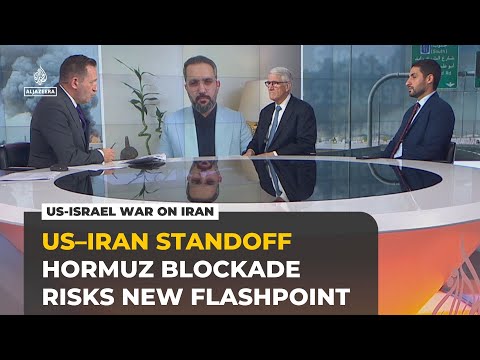
US President Donald Trump’s national security team is reviewing an Iranian plan to halt the war and open the Strait of Hormuz, while postponing talks on its nuclear programme.
Analysts warn that stalled nuclear talks and a naval standoff in the Strait of Hormuz risk miscalculation at sea, even as regional powers push for a diplomatic solution.
Subscribe to our channel: http://bit.ly/AJSubscribe
Follow us on X: https://X.com/AJEnglish
Find us on Facebook: https://www.facebook.com/aljazeera
Check our website: http://www.aljazeera.com/
Check out our Instagram page: https://www.instagram.com/aljazeeraenglish/
Download AJE Mobile App: https://aje.news/AJEMobile
US President Donald Trump’s national security team is reviewing an Iranian plan to halt the war and open the Strait of Hormuz, while postponing talks on its nuclear programme.
Analysts warn that stalled nuclear talks and a naval standoff in the Strait of Hormuz risk miscalculation at sea, even as regional powers push for a diplomatic solution.
Subscribe to our channel: http://bit.ly/AJSubscribe
Follow us on X: https://X.com/AJEnglish
Find us on Facebook: https://www.facebook.com/aljazeera
Check our website: http://www.aljazeera.com/
Check out our Instagram page: https://www.instagram.com/aljazeeraenglish/
Download AJE Mobile App: https://aje.news/AJEMobile
The Strait of Hormuz remains a major sticking point in ceasefire negotiations between the US and Iran.
Donald Trump says Tehran has requested the US to lift the blockade on the waterway “as soon as possible.”
He's posted on social media, saying Iranian leaders say their country is “in a state of collapse” due to the restrictions.
Al Jazeera’s Chief US correspondent, Alan Fisher, has more from the White House.
Subscribe to our channel: http://bit.ly/AJSubscribe
Follow us on X: https://X.com/AJEnglish
Find us on Facebook: https://www.facebook.com/aljazeera
Check our website: http://www.aljazeera.com/
Check out our Instagram page: https://www.instagram.com/aljazeeraenglish/
Download AJE Mobile App: https://aje.news/AJEMobile
The Strait of Hormuz remains a major sticking point in ceasefire negotiations between the US and Iran.
Donald Trump says Tehran has requested the US to lift the blockade on the waterway “as soon as possible.”
He's posted on social media, saying Iranian leaders say their country is “in a state of collapse” due to the restrictions.
Al Jazeera’s Chief US correspondent, Alan Fisher, has more from the White House.
Subscribe to our channel: http://bit.ly/AJSubscribe
Follow us on X: https://X.com/AJEnglish
Find us on Facebook: https://www.facebook.com/aljazeera
Check our website: http://www.aljazeera.com/
Check out our Instagram page: https://www.instagram.com/aljazeeraenglish/
Download AJE Mobile App: https://aje.news/AJEMobile
The United Arab Emirates has announced it’s withdrawing from OPEC and OPEC+. Al Jazeera’s Michael Appel outlines the significance of the announcement and its likely impact on the energy market.
The Strait of Hormuz remains effectively closed, with a US naval blockade still in place. Around 3,000 Iran-bound containers are stranded in Pakistan as costs rise and Washington’s signals shift. Iran is pushing diplomacy from Moscow to Islamabad. Can talks to end the US-Israel war still move forward?
In this episode:
- Osama Bin Javaid, Al Jazeera Correspondent
Episode credits:
This episode was produced by David Enders and Chloe K. Li with Catherine Nouhan, Tuleen Barakat, Sarí el-Khalili, and our guest host, Kevin Hirten. It was edited by Tamara Khandaker and Sarí el-Khalili.
Our sound designer is Alex Roldan. Our video editors are Hisham Abu Salah and Mohannad al-Melhemm. Alexandra Locke is The Take’s executive producer.
The Strait of Hormuz remains effectively closed, with a US naval blockade still in place. Around 3,000 Iran-bound containers are stranded in Pakistan as costs rise and Washington’s signals shift. Iran is pushing diplomacy from Moscow to Islamabad. Can talks to end the US-Israel war still move forward?
In this episode:
- Osama Bin Javaid, Al Jazeera Correspondent
Episode credits:
This episode was produced by David Enders and Chloe K. Li with Catherine Nouhan, Tuleen Barakat, Sarí el-Khalili, and our guest host, Kevin Hirten. It was edited by Tamara Khandaker and Sarí el-Khalili.
Our sound designer is Alex Roldan. Our video editors are Hisham Abu Salah and Mohannad al-Melhemm. Alexandra Locke is The Take’s executive producer.
After weeks of political deadlock, a surprise breakthrough in Iraq.
An alliance of Shia political blocs named Ali al-Zaidi as its nominee for prime minister.
Al-Zaidi is now tasked with forming the next government.
But his nomination raises many questions.
Al Jazeera’s Mahmoud Abdelwahed reports from Baghdad, Iraq.
Subscribe to our channel: http://bit.ly/AJSubscribe
Follow us on X: https://X.com/AJEnglish
Find us on Facebook: https://www.facebook.com/aljazeera
Check our website: http://www.aljazeera.com/
Check out our Instagram page: https://www.instagram.com/aljazeeraenglish/
Download AJE Mobile App: https://aje.news/AJEMobile
After weeks of political deadlock, a surprise breakthrough in Iraq.
An alliance of Shia political blocs named Ali al-Zaidi as its nominee for prime minister.
Al-Zaidi is now tasked with forming the next government.
But his nomination raises many questions.
Al Jazeera’s Mahmoud Abdelwahed reports from Baghdad, Iraq.
Subscribe to our channel: http://bit.ly/AJSubscribe
Follow us on X: https://X.com/AJEnglish
Find us on Facebook: https://www.facebook.com/aljazeera
Check our website: http://www.aljazeera.com/
Check out our Instagram page: https://www.instagram.com/aljazeeraenglish/
Download AJE Mobile App: https://aje.news/AJEMobile
Qatar’s foreign ministry spokesman Majed al-Ansari told reporters at a weekly briefing that the Strait of Hormuz must not be used as a bargaining chip, as peace talks between the US and Iran continue to stall.
Leaders of the Gulf Cooperation Council (GCC) are holding a meeting in Jeddah as the region faces challenges linked to the Iran war.
The region has faced unprecedented attacks on energy facilities by Iran, and economic shock from the closure of the Strait of Hormuz.
This marks the first in-person meeting between Gulf leaders since their countries became targets in the conflict two months ago.
Al Jazeera’s Michael Appel has more from Doha, Qatar.
Subscribe to our channel: http://bit.ly/AJSubscribe
Follow us on X: https://twitter.com/AJEnglish
Find us on Facebook: https://www.facebook.com/aljazeera
Check our website: http://www.aljazeera.com/
Check out our Instagram page: https://www.instagram.com/aljazeeraenglish/
Download AJE Mobile App: https://aje.news/AJEMobile
Leaders of the Gulf Cooperation Council (GCC) are holding a meeting in Jeddah as the region faces challenges linked to the Iran war.
The region has faced unprecedented attacks on energy facilities by Iran, and economic shock from the closure of the Strait of Hormuz.
This marks the first in-person meeting between Gulf leaders since their countries became targets in the conflict two months ago.
Al Jazeera’s Michael Appel has more from Doha, Qatar.
Subscribe to our channel: http://bit.ly/AJSubscribe
Follow us on X: https://twitter.com/AJEnglish
Find us on Facebook: https://www.facebook.com/aljazeera
Check our website: http://www.aljazeera.com/
Check out our Instagram page: https://www.instagram.com/aljazeeraenglish/
Download AJE Mobile App: https://aje.news/AJEMobile
In this episode of @DohaDebates podcast, host Dareen Abughaida is joined by Andrea Kitta, Heather Berlin, Alex Berenson and Nuurrianti Jalli to explore how conspiracy theories form, why people are drawn to them and whether they serve any real purpose, while examining the fine line between skepticism and conspiracy thinking.
The views expressed in this episode are the guests’ own and do not necessarily reflect Al Jazeera’s editorial stance. Visit the @DohaDebates YouTube channel for the extended version.
🎬 Watch the extended version on the Doha Debates YouTube channel: https://youtu.be/ljY0H4A5pus?si=75ET8ZQlly0Lu8zl
In this episode of @DohaDebates podcast, host Dareen Abughaida is joined by Andrea Kitta, Heather Berlin, Alex Berenson and Nuurrianti Jalli to explore how conspiracy theories form, why people are drawn to them and whether they serve any real purpose, while examining the fine line between skepticism and conspiracy thinking.
The views expressed in this episode are the guests’ own and do not necessarily reflect Al Jazeera’s editorial stance. Visit the @DohaDebates YouTube channel for the extended version.
🎬 Watch the extended version on the Doha Debates YouTube channel: https://youtu.be/ljY0H4A5pus?si=75ET8ZQlly0Lu8zl
Thousands of migrants in Mauritania who once relied on daily street work to survive have been rounded up, detained in poor conditions and deported to remote borders under an EU-backed effort to halt Atlantic migration routes to Europe. Al Jazeera’s Shola Lawal reports from Nouakchott where those who remain say they are too afraid to step outside.
The United Arab Emirates has announced it will withdraw from the Organization of the Petroleum Exporting Countries.
That includes the bloc's broader alliance OPEC+.
The move comes as Gulf countries face unprecedented economic disruption from the US and Israel war with Iran.
Al Jazeera’s Dominic Kane has more from Berlin.
Kingsmill Bond is an Energy Strategist at Ember Futures. He explains this decision in greater detail.
Subscribe to our channel: http://bit.ly/AJSubscribe
Follow us on X: https://twitter.com/AJEnglish
Find us on Facebook: https://www.facebook.com/aljazeera
Check our website: http://www.aljazeera.com/
Check out our Instagram page: https://www.instagram.com/aljazeeraenglish/
Download AJE Mobile App: https://aje.news/AJEMobile
The United Arab Emirates has announced it will withdraw from the Organization of the Petroleum Exporting Countries.
That includes the bloc's broader alliance OPEC+.
The move comes as Gulf countries face unprecedented economic disruption from the US and Israel war with Iran.
Al Jazeera’s Dominic Kane has more from Berlin.
Kingsmill Bond is an Energy Strategist at Ember Futures. He explains this decision in greater detail.
Subscribe to our channel: http://bit.ly/AJSubscribe
Follow us on X: https://twitter.com/AJEnglish
Find us on Facebook: https://www.facebook.com/aljazeera
Check our website: http://www.aljazeera.com/
Check out our Instagram page: https://www.instagram.com/aljazeeraenglish/
Download AJE Mobile App: https://aje.news/AJEMobile
Ukrainian drones have struck the Tuapse oil refinery on Russia’s Black Sea coast, triggering a fire and prompting evacuations, according to Russian authorities. The refinery, operated by Rosneft, has been targeted repeatedly, with strikes on April 16 and April 20 damaging port infrastructure and destroying dozens of storage tanks.
Ukraine said the latest overnight attack — carried out by its unmanned systems and special forces — is part of a broader campaign against Russian energy infrastructure, with damage still being assessed.
Kyiv has intensified such strikes since mid-March, linking them to US sanctions waivers on Russian oil introduced during tensions involving Iran. President Volodymyr Zelenskyy has criticised the extension of those waivers until mid-May, signalling attacks could scale down if restrictions are reinstated.
Separately, Ukraine is threatening sanctions against Israel over shipments it says contain grain taken from Russian-occupied territories. Kyiv has summoned Israel’s ambassador, with Foreign Minister Andrii Sybiha criticising the response, while Israeli counterpart Gideon Sa'ar rejected the allegations, saying evidence has not been provided.
Zelenskyy said Ukraine is preparing sanctions targeting those involved in transporting the grain, in coordination with European partners, marking a potential shift in relations between Kyiv and Tel Aviv.
Al Jazeera’s Audrey Macalpine reporting.
Subscribe to our channel: http://bit.ly/AJSubscribe
Follow us on X: https://X.com/AJEnglish
Find us on Facebook: https://www.facebook.com/aljazeera
Check our website: http://www.aljazeera.com/
Check out our Instagram page: https://www.instagram.com/aljazeeraenglish/
Download AJE Mobile App: https://aje.news/AJEMobile
Ukrainian drones have struck the Tuapse oil refinery on Russia’s Black Sea coast, triggering a fire and prompting evacuations, according to Russian authorities. The refinery, operated by Rosneft, has been targeted repeatedly, with strikes on April 16 and April 20 damaging port infrastructure and destroying dozens of storage tanks.
Ukraine said the latest overnight attack — carried out by its unmanned systems and special forces — is part of a broader campaign against Russian energy infrastructure, with damage still being assessed.
Kyiv has intensified such strikes since mid-March, linking them to US sanctions waivers on Russian oil introduced during tensions involving Iran. President Volodymyr Zelenskyy has criticised the extension of those waivers until mid-May, signalling attacks could scale down if restrictions are reinstated.
Separately, Ukraine is threatening sanctions against Israel over shipments it says contain grain taken from Russian-occupied territories. Kyiv has summoned Israel’s ambassador, with Foreign Minister Andrii Sybiha criticising the response, while Israeli counterpart Gideon Sa'ar rejected the allegations, saying evidence has not been provided.
Zelenskyy said Ukraine is preparing sanctions targeting those involved in transporting the grain, in coordination with European partners, marking a potential shift in relations between Kyiv and Tel Aviv.
Al Jazeera’s Audrey Macalpine reporting.
Subscribe to our channel: http://bit.ly/AJSubscribe
Follow us on X: https://X.com/AJEnglish
Find us on Facebook: https://www.facebook.com/aljazeera
Check our website: http://www.aljazeera.com/
Check out our Instagram page: https://www.instagram.com/aljazeeraenglish/
Download AJE Mobile App: https://aje.news/AJEMobile
Kandice Ardiel works with the United Nations in southern Lebanon. The Israeli military’s attacks damaged her apartment in Tyre, forcing her to move into a UN office in Naqoura. In her video, Kandice describes life under fire: forced evacuations, nearby explosions and having to leave the cat behind.
Israeli Prime Minister Benjamin Netanyahu has resumed testifying in his long-running corruption trial after a two-month pause, with proceedings repeatedly disrupted by the war in Gaza and the war on Iran.
The trial, which began in 2020, centres on allegations that Netanyahu exchanged political influence for favourable media coverage, alongside charges of bribery, fraud and breach of trust — all of which he denies.
He has testified dozens of times, but sessions have frequently been cut short, including the latest hearing, which ended early after a sealed note was delivered in court — a move critics describe as part of efforts to delay a verdict. A conviction could bar Netanyahu from running in upcoming October elections, raising the political stakes of the case.
Meanwhile, developments linked to regional tensions continue to affect proceedings.
On the Lebanon front, Netanyahu reportedly told his cabinet that US-imposed limits cap Israel's military operations.
He allegedly appealed to US President Donald Trump to escalate attacks, but Trump insisted the Lebanon ceasefire must hold. Israeli military leaders have warned that operations alone — including strikes 10 kilometres deep into Lebanon — may not guarantee security for northern border communities, pointing instead to the need for a political solution.
Residents in northern Israel continue to protest, demanding a return to war as they do not feel safe.
Al Jazeera’s Nour Odeh reports from Ramallah in the occupied West Bank.
Subscribe to our channel: http://bit.ly/AJSubscribe
Follow us on X: https://X.com/AJEnglish
Find us on Facebook: https://www.facebook.com/aljazeera
Check our website: http://www.aljazeera.com/
Check out our Instagram page: https://www.instagram.com/aljazeeraenglish/
Download AJE Mobile App: https://aje.news/AJEMobile
Israeli Prime Minister Benjamin Netanyahu has resumed testifying in his long-running corruption trial after a two-month pause, with proceedings repeatedly disrupted by the war in Gaza and the war on Iran.
The trial, which began in 2020, centres on allegations that Netanyahu exchanged political influence for favourable media coverage, alongside charges of bribery, fraud and breach of trust — all of which he denies.
He has testified dozens of times, but sessions have frequently been cut short, including the latest hearing, which ended early after a sealed note was delivered in court — a move critics describe as part of efforts to delay a verdict. A conviction could bar Netanyahu from running in upcoming October elections, raising the political stakes of the case.
Meanwhile, developments linked to regional tensions continue to affect proceedings.
On the Lebanon front, Netanyahu reportedly told his cabinet that US-imposed limits cap Israel's military operations.
He allegedly appealed to US President Donald Trump to escalate attacks, but Trump insisted the Lebanon ceasefire must hold. Israeli military leaders have warned that operations alone — including strikes 10 kilometres deep into Lebanon — may not guarantee security for northern border communities, pointing instead to the need for a political solution.
Residents in northern Israel continue to protest, demanding a return to war as they do not feel safe.
Al Jazeera’s Nour Odeh reports from Ramallah in the occupied West Bank.
Subscribe to our channel: http://bit.ly/AJSubscribe
Follow us on X: https://X.com/AJEnglish
Find us on Facebook: https://www.facebook.com/aljazeera
Check our website: http://www.aljazeera.com/
Check out our Instagram page: https://www.instagram.com/aljazeeraenglish/
Download AJE Mobile App: https://aje.news/AJEMobile
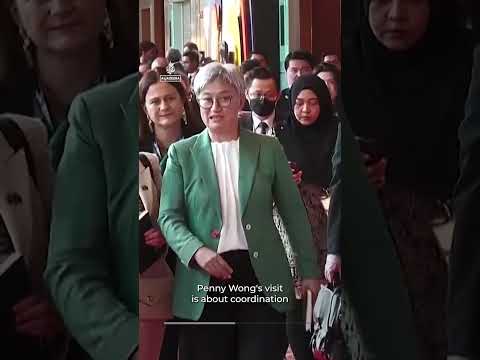
Australian Foreign Minister Penny Wong is visiting China to meet her counterpart Wang Yi to discuss energy security as global tensions rise and energy markets are under strain due to the US-Iran war.
Qatar’s Ministry of Foreign Affairs spokesperson Majid al-Ansari held the weekly press briefing on Tuesday in Doha, outlining Doha’s position on escalating regional tensions linked to the war on Iran.
He warned that the closure of the Strait of Hormuz is unacceptable and cannot be used as political leverage, citing risks to global energy, food security and supply chains, and calling for its immediate reopening.
Al-Ansari confirmed no Qatari vessels are currently crossing the waterway, with safety a priority as Doha awaits the outcome of negotiations.
He reiterated full support for mediation led by Pakistan, stressing coordination with regional and international partners and rejecting claims that the Gulf Cooperation Council summit in Jeddah signals concern over mediation efforts.
Qatar is pursuing a comprehensive agreement with long-term security guarantees, while accepting incremental progress that preserves the ceasefire.
Officials stressed diplomacy remains the priority despite military precautions to protect sovereignty, while reaffirming continued engagement with European partners and mediation efforts.
Al-Ansari warned that ongoing uncertainty is impacting global markets and stability, stressing the crisis is international in scope and requires a sustainable political solution to prevent renewed conflict.
Subscribe to our channel: http://bit.ly/AJSubscribe
Follow us on X: https://X.com/AJEnglish
Find us on Facebook: https://www.facebook.com/aljazeera
Check our website: http://www.aljazeera.com/
Check out our Instagram page: https://www.instagram.com/aljazeeraenglish/
Download AJE Mobile App: https://aje.news/AJEMobile
Qatar’s Ministry of Foreign Affairs spokesperson Majid al-Ansari held the weekly press briefing on Tuesday in Doha, outlining Doha’s position on escalating regional tensions linked to the war on Iran.
He warned that the closure of the Strait of Hormuz is unacceptable and cannot be used as political leverage, citing risks to global energy, food security and supply chains, and calling for its immediate reopening.
Al-Ansari confirmed no Qatari vessels are currently crossing the waterway, with safety a priority as Doha awaits the outcome of negotiations.
He reiterated full support for mediation led by Pakistan, stressing coordination with regional and international partners and rejecting claims that the Gulf Cooperation Council summit in Jeddah signals concern over mediation efforts.
Qatar is pursuing a comprehensive agreement with long-term security guarantees, while accepting incremental progress that preserves the ceasefire.
Officials stressed diplomacy remains the priority despite military precautions to protect sovereignty, while reaffirming continued engagement with European partners and mediation efforts.
Al-Ansari warned that ongoing uncertainty is impacting global markets and stability, stressing the crisis is international in scope and requires a sustainable political solution to prevent renewed conflict.
Subscribe to our channel: http://bit.ly/AJSubscribe
Follow us on X: https://X.com/AJEnglish
Find us on Facebook: https://www.facebook.com/aljazeera
Check our website: http://www.aljazeera.com/
Check out our Instagram page: https://www.instagram.com/aljazeeraenglish/
Download AJE Mobile App: https://aje.news/AJEMobile

 Anmelden