With the US military blockade of Iranian ports now in force, global energy markets are already reacting. Al Jazeera’s Marah Rayan breaks down why it's deepening an energy crisis that is driving up costs for everyone.
Subscribe to our channel: http://bit.ly/AJSubscribe
Follow us on X : https://twitter.com/AJEnglish
With the US military blockade of Iranian ports now in force, global energy markets are already reacting. Al Jazeera’s Marah Rayan breaks down why it's deepening an energy crisis that is driving up costs for everyone.
The US military says no ships have passed its blockade of Iran's southern coast over the past 24 hours.
It says six merchant vessels complied with their orders to turn around.
Hundreds of vessels remain stuck, concerned by threats of attack and sea mines laid by Iran.
The US military says it's working to support freedom of navigation for vessels transiting the Strait of Hormuz from non-Iranian ports.
Alexandru Hudisteanu is a military and diplomatic analyst with expertise in maritime security. He explains how the blockade is being enforced beyond the Strait of Hormuz and highlights the need to monitor ship movements in the coming days to assess its impact. Safe passage for commercial vessels remains uncertain.
Subscribe to our channel: http://bit.ly/AJSubscribe
Follow us on X: https://twitter.com/AJEnglish
Find us on Facebook: https://www.facebook.com/aljazeera
Check our website: http://www.aljazeera.com/
Check out our Instagram page: https://www.instagram.com/aljazeeraenglish/
Download AJE Mobile App: https://aje.news/AJEMobile
The US military says no ships have passed its blockade of Iran's southern coast over the past 24 hours.
It says six merchant vessels complied with their orders to turn around.
Hundreds of vessels remain stuck, concerned by threats of attack and sea mines laid by Iran.
The US military says it's working to support freedom of navigation for vessels transiting the Strait of Hormuz from non-Iranian ports.
Alexandru Hudisteanu is a military and diplomatic analyst with expertise in maritime security. He explains how the blockade is being enforced beyond the Strait of Hormuz and highlights the need to monitor ship movements in the coming days to assess its impact. Safe passage for commercial vessels remains uncertain.
Subscribe to our channel: http://bit.ly/AJSubscribe
Follow us on X: https://twitter.com/AJEnglish
Find us on Facebook: https://www.facebook.com/aljazeera
Check our website: http://www.aljazeera.com/
Check out our Instagram page: https://www.instagram.com/aljazeeraenglish/
Download AJE Mobile App: https://aje.news/AJEMobile
The United States, regarded as the world's top superpower, has been the subject of heated discussions these days over its global image. But views of the US have been worsening for years. Why is that? Is it about the identity of its president, its domestic political situation, or its foreign policy and relations with allies?
Presenter: Stefanie Dekker
Guests:
Jonathan Schulman - Global attitudes researcher, Pew Research Center
George Lee - Educator and content creator
Subscribe to our channel: http://bit.ly/AJSubscribe
Follow us on X : https://twitter.com/AJEnglish
Find us on Facebook: https://www.facebook.com/aljazeera
Check our website: http://www.aljazeera.com/
Check out our Instagram page: https://www.instagram.com/aljazeeraenglish/
Download AJE Mobile App: https://aje.news/AJEMobile
The United States, regarded as the world's top superpower, has been the subject of heated discussions these days over its global image. But views of the US have been worsening for years. Why is that? Is it about the identity of its president, its domestic political situation, or its foreign policy and relations with allies?
Presenter: Stefanie Dekker
Guests:
Jonathan Schulman - Global attitudes researcher, Pew Research Center
George Lee - Educator and content creator
Subscribe to our channel: http://bit.ly/AJSubscribe
Follow us on X : https://twitter.com/AJEnglish
Find us on Facebook: https://www.facebook.com/aljazeera
Check our website: http://www.aljazeera.com/
Check out our Instagram page: https://www.instagram.com/aljazeeraenglish/
Download AJE Mobile App: https://aje.news/AJEMobile
Ukraine and Germany have agreed a strategic defence partnership that will include cooperation in drone production and a boost for Kyiv’s air defences.
Al Jazeera’s Audrey MacAlpine reports from Kyiv, Ukraine.
Subscribe to our channel: http://bit.ly/AJSubscribe
Follow us on X: https://twitter.com/AJEnglish
Find us on Facebook: https://www.facebook.com/aljazeera
Check our website: http://www.aljazeera.com/
Check out our Instagram page: https://www.instagram.com/aljazeeraenglish/
Download AJE Mobile App: https://aje.io/AJEMobile
Ukraine and Germany have agreed a strategic defence partnership that will include cooperation in drone production and a boost for Kyiv’s air defences.
Al Jazeera’s Audrey MacAlpine reports from Kyiv, Ukraine.
Subscribe to our channel: http://bit.ly/AJSubscribe
Follow us on X: https://twitter.com/AJEnglish
Find us on Facebook: https://www.facebook.com/aljazeera
Check our website: http://www.aljazeera.com/
Check out our Instagram page: https://www.instagram.com/aljazeeraenglish/
Download AJE Mobile App: https://aje.io/AJEMobile
An Israeli airstrike on a police vehicle in Gaza City killed at least four people, including a three-year-old child, according to Gaza health officials. The attack is the latest in continued violence on the strip despite a fragile US-brokered ceasefire that began in October.
US President Donald Trump says a new round of negotiations with Iran could happen in the next couple of days.
A source from Pakistan's foreign ministry told Al Jazeera Islamabad is offering to host the talks.
Tehran says, “excessive demands” and “lack of political will” from the US delegation prevented a breakthrough last weekend.
Washington has said Iran still wants to make a deal.
Al Jazeera's White House correspondent Kimberly Halkett has more details from Islamabad, Pakistan.
Subscribe to our channel: http://bit.ly/AJSubscribe
Follow us on X: https://twitter.com/AJEnglish
Find us on Facebook: https://www.facebook.com/aljazeera
Check our website: http://www.aljazeera.com/
Check out our Instagram page: https://www.instagram.com/aljazeeraenglish/
Download AJE Mobile App: https://aje.news/AJEMobile
US President Donald Trump says a new round of negotiations with Iran could happen in the next couple of days.
A source from Pakistan's foreign ministry told Al Jazeera Islamabad is offering to host the talks.
Tehran says, “excessive demands” and “lack of political will” from the US delegation prevented a breakthrough last weekend.
Washington has said Iran still wants to make a deal.
Al Jazeera's White House correspondent Kimberly Halkett has more details from Islamabad, Pakistan.
Subscribe to our channel: http://bit.ly/AJSubscribe
Follow us on X: https://twitter.com/AJEnglish
Find us on Facebook: https://www.facebook.com/aljazeera
Check our website: http://www.aljazeera.com/
Check out our Instagram page: https://www.instagram.com/aljazeeraenglish/
Download AJE Mobile App: https://aje.news/AJEMobile
“We discovered today that we're on the same side of the equation.” Israeli Ambassador to the US Yechiel Leiter said discussions with his Lebanese counterpart revealed a mutual desire to subdue Hezbollah.
Talks between Israel and Lebanon have concluded in Washington, DC.
The US-brokered negotiations mark the two sides' first direct diplomatic contact in more than three decades.
Al Jazeera’s Mike Hanna has more from the US State Department in Washington, DC where those Israel-Lebanon talks are happening, Obaida Hitto is monitoring developments from southern Lebanon, and Nida Ibrahim is in Ramallah, occupied West Bank with the latest reaction from Israel.
Subscribe to our channel: http://bit.ly/AJSubscribe
Follow us on X: https://twitter.com/AJEnglish
Find us on Facebook: https://www.facebook.com/aljazeera
Check our website: http://www.aljazeera.com/
Check out our Instagram page: https://www.instagram.com/aljazeeraenglish/
Download AJE Mobile App: https://aje.news/AJEMobile
Talks between Israel and Lebanon have concluded in Washington, DC.
The US-brokered negotiations mark the two sides' first direct diplomatic contact in more than three decades.
Al Jazeera’s Mike Hanna has more from the US State Department in Washington, DC where those Israel-Lebanon talks are happening, Obaida Hitto is monitoring developments from southern Lebanon, and Nida Ibrahim is in Ramallah, occupied West Bank with the latest reaction from Israel.
Subscribe to our channel: http://bit.ly/AJSubscribe
Follow us on X: https://twitter.com/AJEnglish
Find us on Facebook: https://www.facebook.com/aljazeera
Check our website: http://www.aljazeera.com/
Check out our Instagram page: https://www.instagram.com/aljazeeraenglish/
Download AJE Mobile App: https://aje.news/AJEMobile
Now, the United States is the one shutting the Strait of Hormuz, even as President Donald Trump was calling for it to reopen just a few days ago. He said ships entering or leaving Iranian ports would be stopped by the navy after talks between Tehran and Washington fell apart.
However, this is not just about a blockade. Iran is tightening its grip on the strait, demanding the right to impose tolls on ships passing through it.
The ripple effects could go beyond energy and trade flows, challenging the dominance of the US dollar in global shipping.
Now, the United States is the one shutting the Strait of Hormuz, even as President Donald Trump was calling for it to reopen just a few days ago. He said ships entering or leaving Iranian ports would be stopped by the navy after talks between Tehran and Washington fell apart.
However, this is not just about a blockade. Iran is tightening its grip on the strait, demanding the right to impose tolls on ships passing through it.
The ripple effects could go beyond energy and trade flows, challenging the dominance of the US dollar in global shipping.
UN Secretary-General Antonio Guterres says it’s “highly probably” talks to end the US-Israel war on Iran will resume. He spoke after meeting with the Deputy Prime Minister of Pakistan.
Talks between Israel and Lebanon are underway in Washington, DC.
The US-brokered negotiations mark the two sides' first direct diplomatic contact in more than three decades.
Al Jazeera’s Nida Ibrahim is in Ramallah, occupied West Bank with the latest reaction from Israel.
Subscribe to our channel: http://bit.ly/AJSubscribe
Follow us on X: https://twitter.com/AJEnglish
Find us on Facebook: https://www.facebook.com/aljazeera
Check our website: http://www.aljazeera.com/
Check out our Instagram page: https://www.instagram.com/aljazeeraenglish/
Download AJE Mobile App: https://aje.news/AJEMobile
Talks between Israel and Lebanon are underway in Washington, DC.
The US-brokered negotiations mark the two sides' first direct diplomatic contact in more than three decades.
Al Jazeera’s Nida Ibrahim is in Ramallah, occupied West Bank with the latest reaction from Israel.
Subscribe to our channel: http://bit.ly/AJSubscribe
Follow us on X: https://twitter.com/AJEnglish
Find us on Facebook: https://www.facebook.com/aljazeera
Check our website: http://www.aljazeera.com/
Check out our Instagram page: https://www.instagram.com/aljazeeraenglish/
Download AJE Mobile App: https://aje.news/AJEMobile
Video captured the moment a drone exploded in northern Israel’s Nahariya, about 10 kilometres from the Lebanese border. There were no immediate reports of injuries.
Already fraught, the relationship between the US and the Vatican is getting worse.
It's the result of an unusual public exchange between President Donald Trump and Pope Leo.
The leader of the Roman Catholic Church spoke out against the Iran war, drawing a backlash from the US leader.
But Pope Leo has remained defiant, saying he isn't afraid of the Trump administration.
It's not the first time the White House has been on the receiving end of criticism from the Vatican.
So, is this political interference or a moral duty to speak out?
And what are the consequences?
Presenter: Folly Bah Thibault
Guests:
Cornel West -- Professor and Dietrich Bonhoeffer Chair at the Union Theological Seminary
Adolfo Franco -- US Republican strategist
Christopher White -- Vatican journalist and author of a book on Pope Leo
Subscribe to our channel: http://bit.ly/AJSubscribe
Follow us on X: https://twitter.com/AJEnglish
Find us on Facebook: https://www.facebook.com/aljazeera
Check our website: http://www.aljazeera.com/
Check out our Instagram page: https://www.instagram.com/aljazeeraenglish/
Download AJE Mobile App: https://aje.news/AJEMobile
Already fraught, the relationship between the US and the Vatican is getting worse.
It's the result of an unusual public exchange between President Donald Trump and Pope Leo.
The leader of the Roman Catholic Church spoke out against the Iran war, drawing a backlash from the US leader.
But Pope Leo has remained defiant, saying he isn't afraid of the Trump administration.
It's not the first time the White House has been on the receiving end of criticism from the Vatican.
So, is this political interference or a moral duty to speak out?
And what are the consequences?
Presenter: Folly Bah Thibault
Guests:
Cornel West -- Professor and Dietrich Bonhoeffer Chair at the Union Theological Seminary
Adolfo Franco -- US Republican strategist
Christopher White -- Vatican journalist and author of a book on Pope Leo
Subscribe to our channel: http://bit.ly/AJSubscribe
Follow us on X: https://twitter.com/AJEnglish
Find us on Facebook: https://www.facebook.com/aljazeera
Check our website: http://www.aljazeera.com/
Check out our Instagram page: https://www.instagram.com/aljazeeraenglish/
Download AJE Mobile App: https://aje.news/AJEMobile
Former Israeli negotiator Daniel Levy warns that ongoing Israel-Lebanon talks lack genuine diplomatic intent, instead functioning as a "performative" effort. He argues Israel's approach imposes "humiliating terms" on Lebanon, further straining its fragile state. Levy also links the talks to broader US-Iran de-escalation efforts.
Subscribe to our channel: http://bit.ly/AJSubscribe
Follow us on X: https://twitter.com/AJEnglish
Find us on Facebook: https://www.facebook.com/aljazeera
Check our website: http://www.aljazeera.com/
Check out our Instagram page: https://www.instagram.com/aljazeeraenglish/
Download AJE Mobile App: https://aje.news/AJEMobile
Former Israeli negotiator Daniel Levy warns that ongoing Israel-Lebanon talks lack genuine diplomatic intent, instead functioning as a "performative" effort. He argues Israel's approach imposes "humiliating terms" on Lebanon, further straining its fragile state. Levy also links the talks to broader US-Iran de-escalation efforts.
Subscribe to our channel: http://bit.ly/AJSubscribe
Follow us on X: https://twitter.com/AJEnglish
Find us on Facebook: https://www.facebook.com/aljazeera
Check our website: http://www.aljazeera.com/
Check out our Instagram page: https://www.instagram.com/aljazeeraenglish/
Download AJE Mobile App: https://aje.news/AJEMobile
Israel and Lebanon have begun direct negotiations in Washington, DC.
Lebanese authorities are hoping to stop Israeli attacks in their country.
But Israeli officials are focused on Hezbollah's disarmament.
These are the first high-level meetings of their kind in more than three decades.
The last direct engagement between the two countries was in 1993.
The talks are being hosted by US Secretary of State Marco Rubio.
Al Jazeera’s Mike Hanna has more from the US State Department where those talks are taking place.
Subscribe to our channel: http://bit.ly/AJSubscribe
Follow us on X: https://twitter.com/AJEnglish
Find us on Facebook: https://www.facebook.com/aljazeera
Check our website: http://www.aljazeera.com/
Check out our Instagram page: https://www.instagram.com/aljazeeraenglish/
Download AJE Mobile App: https://aje.news/AJEMobile
Israel and Lebanon have begun direct negotiations in Washington, DC.
Lebanese authorities are hoping to stop Israeli attacks in their country.
But Israeli officials are focused on Hezbollah's disarmament.
These are the first high-level meetings of their kind in more than three decades.
The last direct engagement between the two countries was in 1993.
The talks are being hosted by US Secretary of State Marco Rubio.
Al Jazeera’s Mike Hanna has more from the US State Department where those talks are taking place.
Subscribe to our channel: http://bit.ly/AJSubscribe
Follow us on X: https://twitter.com/AJEnglish
Find us on Facebook: https://www.facebook.com/aljazeera
Check our website: http://www.aljazeera.com/
Check out our Instagram page: https://www.instagram.com/aljazeeraenglish/
Download AJE Mobile App: https://aje.news/AJEMobile
The Lebanese and Israeli ambassadors to the United States arrived at the State Department in Washington for their countries’ first direct talks in decades. US Secretary of State Marco Rubio is hosting the discussions.
Iran's historic city of Isfahan is renowned for its centuries-old mosques, bazaars and traditional crafts.
Those iconic landmarks have been under threat from US and Israeli air strikes.
Shopkeepers in the city also say their businesses are suffering because of the war.
Al Jazeera’s Caley Callahan reports.
Subscribe to our channel: http://bit.ly/AJSubscribe
Follow us on X: https://twitter.com/AJEnglish
Find us on Facebook: https://www.facebook.com/aljazeera
Check our website: http://www.aljazeera.com/
Check out our Instagram page: https://www.instagram.com/aljazeeraenglish/
Download AJE Mobile App: https://aje.news/AJEMobile
Iran's historic city of Isfahan is renowned for its centuries-old mosques, bazaars and traditional crafts.
Those iconic landmarks have been under threat from US and Israeli air strikes.
Shopkeepers in the city also say their businesses are suffering because of the war.
Al Jazeera’s Caley Callahan reports.
Subscribe to our channel: http://bit.ly/AJSubscribe
Follow us on X: https://twitter.com/AJEnglish
Find us on Facebook: https://www.facebook.com/aljazeera
Check our website: http://www.aljazeera.com/
Check out our Instagram page: https://www.instagram.com/aljazeeraenglish/
Download AJE Mobile App: https://aje.news/AJEMobile
Why is Sudan still at war? The answer starts with the powers fuelling the conflict. Three years into the fighting between the Sudanese Armed Forces and the Rapid Support Forces, millions are displaced and famine continues. With the US-Israeli war on Iran and the Strait of Hormuz driving up fuel and food costs, what will it take to put an end to the conflict?
In this episode:
- Dallia Abdelmoniem, Political Analyst
Episode credits:
This episode was produced by Tamara Khandaker, with Noor Wazwaz, Sarí el-Khalili, Spencer Cline, Chloe K. Li, Tuleen Barakat, and our host, Malika Bilal. It was edited by Alexandra Locke.
Our sound designer is Alex Roldan. Our video editors are Hisham Abu Salah and Mohannad al-Melhem. Alexandra Locke is The Take’s executive producer.
Why is Sudan still at war? The answer starts with the powers fuelling the conflict. Three years into the fighting between the Sudanese Armed Forces and the Rapid Support Forces, millions are displaced and famine continues. With the US-Israeli war on Iran and the Strait of Hormuz driving up fuel and food costs, what will it take to put an end to the conflict?
In this episode:
- Dallia Abdelmoniem, Political Analyst
Episode credits:
This episode was produced by Tamara Khandaker, with Noor Wazwaz, Sarí el-Khalili, Spencer Cline, Chloe K. Li, Tuleen Barakat, and our host, Malika Bilal. It was edited by Alexandra Locke.
Our sound designer is Alex Roldan. Our video editors are Hisham Abu Salah and Mohannad al-Melhem. Alexandra Locke is The Take’s executive producer.
Italian Prime Minister Giorgia Meloni said on Tuesday that her country had suspended an automatic renewal of a defence cooperation deal with Israel amid Middle East conflicts. Rome previously had close ties with Israel but has been critical of its attacks on Lebanon in recent weeks.
China is stepping up a diplomatic push to de-escalate tensions in the Middle East, by hosting high-level talks with leaders from Europe and the Gulf.
Beijing has also criticised the US blockade of Iranian ports, saying the military action in the Strait of Hormuz is “dangerous and irresponsible”.
Al Jazeera’s Katrina Yu reports from Beijing, China.
Subscribe to our channel: http://bit.ly/AJSubscribe
Follow us on X: https://twitter.com/AJEnglish
Find us on Facebook: https://www.facebook.com/aljazeera
Check our website: http://www.aljazeera.com/
Check out our Instagram page: https://www.instagram.com/aljazeeraenglish/
Download AJE Mobile App: https://aje.news/AJEMobile
China is stepping up a diplomatic push to de-escalate tensions in the Middle East, by hosting high-level talks with leaders from Europe and the Gulf.
Beijing has also criticised the US blockade of Iranian ports, saying the military action in the Strait of Hormuz is “dangerous and irresponsible”.
Al Jazeera’s Katrina Yu reports from Beijing, China.
Subscribe to our channel: http://bit.ly/AJSubscribe
Follow us on X: https://twitter.com/AJEnglish
Find us on Facebook: https://www.facebook.com/aljazeera
Check our website: http://www.aljazeera.com/
Check out our Instagram page: https://www.instagram.com/aljazeeraenglish/
Download AJE Mobile App: https://aje.news/AJEMobile
Political analyst Sheikha Alanoud Hamad Al Thani discusses the escalating situation in the Strait of Hormuz, emphasizing the Gulf Cooperation Council (GCC)'s focus on diplomacy to avoid broader conflict. She warns of potential global trade impacts if Iran's actions set a legal precedent. Amid regional tensions, Oman’s rejection of maritime agreements with Iran underscores the GCC's cautious stance.
Subscribe to our channel: http://bit.ly/AJSubscribe
Follow us on X: https://twitter.com/AJEnglish
Find us on Facebook: https://www.facebook.com/aljazeera
Check our website: http://www.aljazeera.com/
Check out our Instagram page: https://www.instagram.com/aljazeeraenglish/
Download AJE Mobile App: https://aje.news/AJEMobile
Political analyst Sheikha Alanoud Hamad Al Thani discusses the escalating situation in the Strait of Hormuz, emphasizing the Gulf Cooperation Council (GCC)'s focus on diplomacy to avoid broader conflict. She warns of potential global trade impacts if Iran's actions set a legal precedent. Amid regional tensions, Oman’s rejection of maritime agreements with Iran underscores the GCC's cautious stance.
Subscribe to our channel: http://bit.ly/AJSubscribe
Follow us on X: https://twitter.com/AJEnglish
Find us on Facebook: https://www.facebook.com/aljazeera
Check our website: http://www.aljazeera.com/
Check out our Instagram page: https://www.instagram.com/aljazeeraenglish/
Download AJE Mobile App: https://aje.news/AJEMobile
Spanish Prime Minister Pedro Sánchez and Chinese President Xi Jinping stressed respect for international law and a shared “sense of justice” during talks in Beijing amid the US-Israeli war on Iran.
In this episode of @DohaDebates podcast, host Malika Bilal is joined by Martin Krause, Pedro Solimano, Gustavo Flores-Macias and Sanjit Dhami to explore whether taxes serve their purpose in building fairer societies.
From funding public services to rising inequality and corporate tax avoidance, the debate questions if taxation truly redistributes wealth or if it is time to rethink how the system works.
The views expressed in this episode are the guests’ own and do not necessarily reflect Al Jazeera’s editorial stance. Visit the @DohaDebates YouTube channel for the extended version.
In this episode of @DohaDebates podcast, host Malika Bilal is joined by Martin Krause, Pedro Solimano, Gustavo Flores-Macias and Sanjit Dhami to explore whether taxes serve their purpose in building fairer societies.
From funding public services to rising inequality and corporate tax avoidance, the debate questions if taxation truly redistributes wealth or if it is time to rethink how the system works.
The views expressed in this episode are the guests’ own and do not necessarily reflect Al Jazeera’s editorial stance. Visit the @DohaDebates YouTube channel for the extended version.
Israeli Foreign Minister Gideon Saar has said Israel wants to reach “peace and normalisation” with Lebanon, as ambassadors from both countries are set to meet in the US for talks on Tuesday.
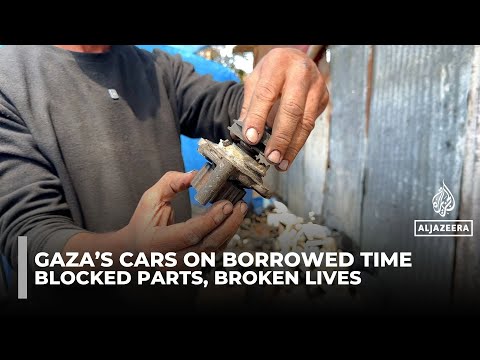
Across Gaza, a shortage of spare parts is leaving vehicles unusable.
Mechanics are forced to rely on second-hand and improvised components to keep cars running.
Repairs that once took hours now take days, with parts often rebuilt from scrap.
Prices have surged sharply, making even basic repairs unaffordable for many.
Taxi drivers and families struggle to access work, hospitals and essential services.
The shortage is worsening economic hardship and increasing reliance on limited aid.
Al Jazeera’s Hani Mahmoud reports from Gaza City.
Subscribe to our channel: http://bit.ly/AJSubscribe
Follow us on X: https://X.com/AJEnglish
Find us on Facebook: https://www.facebook.com/aljazeera
Check our website: http://www.aljazeera.com/
Check out our Instagram page: https://www.instagram.com/aljazeeraenglish/
Download AJE Mobile App: https://aje.news/AJEMobile
Across Gaza, a shortage of spare parts is leaving vehicles unusable.
Mechanics are forced to rely on second-hand and improvised components to keep cars running.
Repairs that once took hours now take days, with parts often rebuilt from scrap.
Prices have surged sharply, making even basic repairs unaffordable for many.
Taxi drivers and families struggle to access work, hospitals and essential services.
The shortage is worsening economic hardship and increasing reliance on limited aid.
Al Jazeera’s Hani Mahmoud reports from Gaza City.
Subscribe to our channel: http://bit.ly/AJSubscribe
Follow us on X: https://X.com/AJEnglish
Find us on Facebook: https://www.facebook.com/aljazeera
Check our website: http://www.aljazeera.com/
Check out our Instagram page: https://www.instagram.com/aljazeeraenglish/
Download AJE Mobile App: https://aje.news/AJEMobile
The US Secretary of State is set to join a meeting in Washington between Israeli and Lebanese ambassadors, but both sides have conflicting goals.
Lebanon has demanded a ceasefire before talks begin.
But Israel hasn't halted its attacks on southern Lebanon or addressed withdrawing its troops from the area.
Al Jazeera’s Zeina Khodr reports from Beirut.
Subscribe to our channel: http://bit.ly/AJSubscribe
Follow us on X: https://x.com/AJEnglish
Find us on Facebook: https://www.facebook.com/aljazeera
Check our website: http://www.aljazeera.com/
Check out our Instagram page: https://www.instagram.com/aljazeeraenglish/
Download AJE Mobile App: https://aje.news/AJEMobile
The US Secretary of State is set to join a meeting in Washington between Israeli and Lebanese ambassadors, but both sides have conflicting goals.
Lebanon has demanded a ceasefire before talks begin.
But Israel hasn't halted its attacks on southern Lebanon or addressed withdrawing its troops from the area.
Al Jazeera’s Zeina Khodr reports from Beirut.
Subscribe to our channel: http://bit.ly/AJSubscribe
Follow us on X: https://x.com/AJEnglish
Find us on Facebook: https://www.facebook.com/aljazeera
Check our website: http://www.aljazeera.com/
Check out our Instagram page: https://www.instagram.com/aljazeeraenglish/
Download AJE Mobile App: https://aje.news/AJEMobile
China has condemned the US naval blockade as “dangerous and irresponsible” after President Donald Trump threatened to sink boats entering or leaving Iranian ports. Beijing also warned of “countermeasures” if Trump follows through on new tariff threats.
Qatar has urged all parties to preserve the US-Iran ceasefire and work towards a permanent agreement, warning against renewed escalation in the region.
Foreign Ministry spokesman Majed al-Ansari said at his weekly press briefing in Doha that Qatar is maintaining close coordination with regional and international partners, including the UK, France, Turkiye, Saudi Arabia, Jordan, Iran, Spain and Portugal.
He stressed the need for a comprehensive solution addressing underlying tensions, not just a temporary truce, and called for the reopening of the Strait of Hormuz, warning of global economic and energy risks if disruption continues.
Al-Ansari said Qatar is "fully supportive" of Pakistan's mediation efforts following the collapse of weekend talks in Islamabad, while confirming that Qatar is not currently playing a direct mediating role. On the US naval blockade, he said Qatar has not been able to use the strait normally since the war began, adding that "what is happening right now is certainly not conducive to ending the blockade."
He dismissed reports of financial arrangements with Iran as "completely false" and aimed at "tarnishing the reputation of my country."
Al-Ansari also confirmed that Qatar is continuing its mediation efforts between the DRC government and M23 rebels in coordination with Switzerland.
Subscribe to our channel: http://bit.ly/AJSubscribe
Follow us on X: https://X.com/AJEnglish
Find us on Facebook: https://www.facebook.com/aljazeera
Check our website: http://www.aljazeera.com/
Check out our Instagram page: https://www.instagram.com/aljazeeraenglish/
Download AJE Mobile App: https://aje.news/AJEMobile
Qatar has urged all parties to preserve the US-Iran ceasefire and work towards a permanent agreement, warning against renewed escalation in the region.
Foreign Ministry spokesman Majed al-Ansari said at his weekly press briefing in Doha that Qatar is maintaining close coordination with regional and international partners, including the UK, France, Turkiye, Saudi Arabia, Jordan, Iran, Spain and Portugal.
He stressed the need for a comprehensive solution addressing underlying tensions, not just a temporary truce, and called for the reopening of the Strait of Hormuz, warning of global economic and energy risks if disruption continues.
Al-Ansari said Qatar is "fully supportive" of Pakistan's mediation efforts following the collapse of weekend talks in Islamabad, while confirming that Qatar is not currently playing a direct mediating role. On the US naval blockade, he said Qatar has not been able to use the strait normally since the war began, adding that "what is happening right now is certainly not conducive to ending the blockade."
He dismissed reports of financial arrangements with Iran as "completely false" and aimed at "tarnishing the reputation of my country."
Al-Ansari also confirmed that Qatar is continuing its mediation efforts between the DRC government and M23 rebels in coordination with Switzerland.
Subscribe to our channel: http://bit.ly/AJSubscribe
Follow us on X: https://X.com/AJEnglish
Find us on Facebook: https://www.facebook.com/aljazeera
Check our website: http://www.aljazeera.com/
Check out our Instagram page: https://www.instagram.com/aljazeeraenglish/
Download AJE Mobile App: https://aje.news/AJEMobile
China has condemned the US naval blockade as “dangerous and irresponsible” after President Donald Trump threatened to sink boats entering or leaving Iranian ports. Beijing also warned of “countermeasures” if Trump follows through on new tariff threats.
Pakistani officials have told Al Jazeera they are offering Islamabad as the venue for the next round of US–Iran talks, with the ceasefire continuing to hold and both sides acknowledging that lines of communication remain open.
Reporting from Islamabad, Al Jazeera’s Kamal Hyder said the first round ended without agreement but also without a breakdown in talks, with technical engagement suggesting limited but ongoing progress.
Pakistan is playing a mediating role alongside regional actors, including Saudi Arabia, Turkiye, Qatar and China.
Hyder added there is cautious hope the process could advance before the ceasefire deadline expires.
Subscribe to our channel: http://bit.ly/AJSubscribe
Follow us on X: https://X.com/AJEnglish
Find us on Facebook: https://www.facebook.com/aljazeera
Check our website: http://www.aljazeera.com/
Check out our Instagram page: https://www.instagram.com/aljazeeraenglish/
Download AJE Mobile App: https://aje.news/AJEMobile
Pakistani officials have told Al Jazeera they are offering Islamabad as the venue for the next round of US–Iran talks, with the ceasefire continuing to hold and both sides acknowledging that lines of communication remain open.
Reporting from Islamabad, Al Jazeera’s Kamal Hyder said the first round ended without agreement but also without a breakdown in talks, with technical engagement suggesting limited but ongoing progress.
Pakistan is playing a mediating role alongside regional actors, including Saudi Arabia, Turkiye, Qatar and China.
Hyder added there is cautious hope the process could advance before the ceasefire deadline expires.
Subscribe to our channel: http://bit.ly/AJSubscribe
Follow us on X: https://X.com/AJEnglish
Find us on Facebook: https://www.facebook.com/aljazeera
Check our website: http://www.aljazeera.com/
Check out our Instagram page: https://www.instagram.com/aljazeeraenglish/
Download AJE Mobile App: https://aje.news/AJEMobile
Lebanon’s health ministry says Israeli strikes have led to a surge in severe burn cases that the country’s overstretched public health system is ill-equipped to treat. Al Jazeera’s Malcolm Webb met a Palestinian doctor from Gaza who is there to help.
Chinese President Xi Jinping has hosted Spain's Prime Minister Pedro Sánchez and the UAE's Crown Prince Sheikh Khaled bin Zayed in Beijing. Russia's Foreign Minister Sergey Lavrov is also in the capital for talks on the US-Israeli war on Iran and the blockade of the Strait of Hormuz. China has criticised the US military deployment, calling it "dangerous and irresponsible", and urged parties to honour the ceasefire. A Chinese-owned oil tanker became the first vessel to pass through the Strait since the US imposed the blockade.
Al Jazeera's Katrina Yu reports from Beijing, China.
Subscribe to our channel: http://bit.ly/AJSubscribe
Follow us on X: https://x.com/AJEnglish
Find us on Facebook: https://www.facebook.com/aljazeera
Check our website: http://www.aljazeera.com/
Check out our Instagram page: https://www.instagram.com/aljazeeraenglish/
Download AJE Mobile App: https://aje.news/AJEMobile
Chinese President Xi Jinping has hosted Spain's Prime Minister Pedro Sánchez and the UAE's Crown Prince Sheikh Khaled bin Zayed in Beijing. Russia's Foreign Minister Sergey Lavrov is also in the capital for talks on the US-Israeli war on Iran and the blockade of the Strait of Hormuz. China has criticised the US military deployment, calling it "dangerous and irresponsible", and urged parties to honour the ceasefire. A Chinese-owned oil tanker became the first vessel to pass through the Strait since the US imposed the blockade.
Al Jazeera's Katrina Yu reports from Beijing, China.
Subscribe to our channel: http://bit.ly/AJSubscribe
Follow us on X: https://x.com/AJEnglish
Find us on Facebook: https://www.facebook.com/aljazeera
Check our website: http://www.aljazeera.com/
Check out our Instagram page: https://www.instagram.com/aljazeeraenglish/
Download AJE Mobile App: https://aje.news/AJEMobile
Israeli air strikes have killed at least four Palestinians in Gaza on Monday, with the death toll since the ceasefire now exceeding 750.
Medics said one strike hit a group near a school in Deir el-Balah in central Gaza.
A freelance journalist was killed in a strike on a crowded cafe where people had gathered for electricity access.
Several others were injured, with at least one later dying from wounds at al-Shifa Hospital.
Meanwhile, talks involving Egypt, Qatar and Turkiye are under way in Cairo on the next phase of the Gaza deal.
Severe shortages of food, fuel and essential supplies are worsening conditions across Gaza.
Al Jazeera’s Hani Mahmoud reported from Gaza.
Subscribe to our channel: http://bit.ly/AJSubscribe
Follow us on X: https://X.com/AJEnglish
Find us on Facebook: https://www.facebook.com/aljazeera
Check our website: http://www.aljazeera.com/
Check out our Instagram page: https://www.instagram.com/aljazeeraenglish/
Download AJE Mobile App: https://aje.news/AJEMobile
Israeli air strikes have killed at least four Palestinians in Gaza on Monday, with the death toll since the ceasefire now exceeding 750.
Medics said one strike hit a group near a school in Deir el-Balah in central Gaza.
A freelance journalist was killed in a strike on a crowded cafe where people had gathered for electricity access.
Several others were injured, with at least one later dying from wounds at al-Shifa Hospital.
Meanwhile, talks involving Egypt, Qatar and Turkiye are under way in Cairo on the next phase of the Gaza deal.
Severe shortages of food, fuel and essential supplies are worsening conditions across Gaza.
Al Jazeera’s Hani Mahmoud reported from Gaza.
Subscribe to our channel: http://bit.ly/AJSubscribe
Follow us on X: https://X.com/AJEnglish
Find us on Facebook: https://www.facebook.com/aljazeera
Check our website: http://www.aljazeera.com/
Check out our Instagram page: https://www.instagram.com/aljazeeraenglish/
Download AJE Mobile App: https://aje.news/AJEMobile
Dashcam video captured the moment of a huge explosion caused by a suspected gas leak in a commercial building near apartments in Cheongju, South Korea. Authorities said fifteen people were injured.
General elections in Peru are being questioned by many voters after polling stations were found closed on Sunday.
In an unusual move to dispel fraud allegations, officials extended voting into a second day.
Al Jazeera’s Mariana Sanchez reports from Lima.
Subscribe to our channel: http://bit.ly/AJSubscribe
Follow us on X: https://x.com/AJEnglish
Find us on Facebook: https://www.facebook.com/aljazeera
Check our website: http://www.aljazeera.com/
Check out our Instagram page: https://www.instagram.com/aljazeeraenglish/
Download AJE Mobile App: https://aje.news/AJEMobile
General elections in Peru are being questioned by many voters after polling stations were found closed on Sunday.
In an unusual move to dispel fraud allegations, officials extended voting into a second day.
Al Jazeera’s Mariana Sanchez reports from Lima.
Subscribe to our channel: http://bit.ly/AJSubscribe
Follow us on X: https://x.com/AJEnglish
Find us on Facebook: https://www.facebook.com/aljazeera
Check our website: http://www.aljazeera.com/
Check out our Instagram page: https://www.instagram.com/aljazeeraenglish/
Download AJE Mobile App: https://aje.news/AJEMobile
Police in New York arrested nearly 100 protesters outside the Manhattan offices of Senators Chuck Schumer and Kirsten Gillibrand, demanding an end to US weapons sales to Israel.
The demonstration, led by Jewish Voice for Peace, drew a diverse crowd including Palestinian, Iranian and Lebanese New Yorkers.
After blocking Third Avenue for nearly an hour while chanting "free Palestine" and "fund people, not bombs," police moved in to make arrests. Among those detained were whistleblower Chelsea Manning, actor Hari Nef and New York City Council Member Alexa Aviles.
The protest focused on Senate resolutions to block more than $600m in weapons sales to Israel.
Al Jazeera's Kristen Saloomey reported from New York.
Subscribe to our channel: http://bit.ly/AJSubscribe
Follow us on X: https://X.com/AJEnglish
Find us on Facebook: https://www.facebook.com/aljazeera
Check our website: http://www.aljazeera.com/
Check out our Instagram page: https://www.instagram.com/aljazeeraenglish/
Download AJE Mobile App: https://aje.news/AJEMobile
Police in New York arrested nearly 100 protesters outside the Manhattan offices of Senators Chuck Schumer and Kirsten Gillibrand, demanding an end to US weapons sales to Israel.
The demonstration, led by Jewish Voice for Peace, drew a diverse crowd including Palestinian, Iranian and Lebanese New Yorkers.
After blocking Third Avenue for nearly an hour while chanting "free Palestine" and "fund people, not bombs," police moved in to make arrests. Among those detained were whistleblower Chelsea Manning, actor Hari Nef and New York City Council Member Alexa Aviles.
The protest focused on Senate resolutions to block more than $600m in weapons sales to Israel.
Al Jazeera's Kristen Saloomey reported from New York.
Subscribe to our channel: http://bit.ly/AJSubscribe
Follow us on X: https://X.com/AJEnglish
Find us on Facebook: https://www.facebook.com/aljazeera
Check our website: http://www.aljazeera.com/
Check out our Instagram page: https://www.instagram.com/aljazeeraenglish/
Download AJE Mobile App: https://aje.news/AJEMobile
Volunteers are cleaning oil-covered birds after a spill off Russia’s Black Sea coast, near the Sea of Azov. The cause remains unclear. Moscow blames Ukrainian drone attacks on civilian vessels, but two storm-damaged Russian tankers spilled fuel into the Kerch Strait in December 2024.
A 20-year-old man has been charged with attempted murder for hurling a Molotov cocktail at the home of OpenAI CEO Sam Altman. Authorities say he targeted Altman, made further threats at the company’s headquarters, and could face life in prison if convicted.
A large fire broke out at a parking garage of the Chinese electric vehicle company, BYD, in Shenzhen. The carmaker said the blaze began in an area used for test and scrapped vehicles, and was later extinguished without causing casualties.
US Vice President JD Vance says the US would be happy to treat heavily-sanctioned Iran ‘like a normal country’ if they don’t pursue nuclear weapons. The US, which has more than 5,000 nuclear warheads, says it stopped bombing Iran anticipating the Hormuz Strait would reopen.
Police in New York have arrested around 100 anti-war protesters who were staging a sit-in outside the offices of Senators Chuck Schumer and Kirsten Gillibrand, demanding an end to US weapons sales to Israel. The demonstration comes as Senator Bernie Sanders pushes to block more than $600m worth of bombs bound for Israel’s military.
Invading Israeli forces in southern Lebanon have killed a man using a first-person view (FPV) drone in the besieged town of Bint Jbeil. He appears to be wounded before the attack, which would violate the Geneva Convention. Israel says it ‘eliminated’ a Hezbollah fighter.
Crowds have taken to the streets in Tehran, waving flags and chanting in defiance of threats from U.S. President Donald Trump.
Demonstrators say they are not afraid, expressing support for Iran’s military and leadership amid rising tensions with the United States.
The protests come as a blockade affects the critical Strait of Hormuz—a vital route for global oil shipments. Whether enforced by the U.S. or Iran, the disruption has effectively slowed maritime traffic, raising concerns about global energy supplies.
Subscribe to our channel: http://bit.ly/AJSubscribe
Follow us on Twitter: https://twitter.com/AJEnglish
Find us on Facebook: https://www.facebook.com/aljazeera
Check our website: http://www.aljazeera.com/
Check out our Instagram page: https://www.instagram.com/aljazeeraenglish/
Download AJE Mobile App: https://aje.io/AJEMobile
Crowds have taken to the streets in Tehran, waving flags and chanting in defiance of threats from U.S. President Donald Trump.
Demonstrators say they are not afraid, expressing support for Iran’s military and leadership amid rising tensions with the United States.
The protests come as a blockade affects the critical Strait of Hormuz—a vital route for global oil shipments. Whether enforced by the U.S. or Iran, the disruption has effectively slowed maritime traffic, raising concerns about global energy supplies.
Subscribe to our channel: http://bit.ly/AJSubscribe
Follow us on Twitter: https://twitter.com/AJEnglish
Find us on Facebook: https://www.facebook.com/aljazeera
Check our website: http://www.aljazeera.com/
Check out our Instagram page: https://www.instagram.com/aljazeeraenglish/
Download AJE Mobile App: https://aje.io/AJEMobile
As tensions rise between the U.S. and Iran, questions are growing over the legality and risks of the ongoing naval blockade.
International law expert Douglas Guilfoyle from the University of New South Wales explains how maritime blockades work under international law—and whether the current U.S. actions comply.
Subscribe to our channel: http://bit.ly/AJSubscribe
Follow us on Twitter: https://twitter.com/AJEnglish
Find us on Facebook: https://www.facebook.com/aljazeera
Check our website: http://www.aljazeera.com/
Check out our Instagram page: https://www.instagram.com/aljazeeraenglish/
Download AJE Mobile App: https://aje.io/AJEMobile
As tensions rise between the U.S. and Iran, questions are growing over the legality and risks of the ongoing naval blockade.
International law expert Douglas Guilfoyle from the University of New South Wales explains how maritime blockades work under international law—and whether the current U.S. actions comply.
Subscribe to our channel: http://bit.ly/AJSubscribe
Follow us on Twitter: https://twitter.com/AJEnglish
Find us on Facebook: https://www.facebook.com/aljazeera
Check our website: http://www.aljazeera.com/
Check out our Instagram page: https://www.instagram.com/aljazeeraenglish/
Download AJE Mobile App: https://aje.io/AJEMobile
The UN’s Humanitarian Coordinator for Sudan has slammed the lack of international action ahead of the third anniversary of the war on April 15. Fighting between Sudan’s army and the paramilitary Rapid Support Forces has led to the world’s worst humanitarian crisis, with more than 12 million people displaced and 33 million in urgent need of aid.
Tensions between the U.S. and Iran are escalating rapidly after Tehran threatened retaliation against all ports in the Persian Gulf and the Gulf of Oman.
Iran’s military warned that if its ports are targeted, “no port in the region will be safe.” The statement comes after the U.S., under President Donald Trump, enforced a naval blockade on Iranian ports.
The blockade is focused on the critical Strait of Hormuz—a key route that normally carries about 20% of the world’s oil supply.
Subscribe to our channel: http://bit.ly/AJSubscribe
Follow us on Twitter: https://twitter.com/AJEnglish
Find us on Facebook: https://www.facebook.com/aljazeera
Check our website: http://www.aljazeera.com/
Check out our Instagram page: https://www.instagram.com/aljazeeraenglish/
Download AJE Mobile App: https://aje.io/AJEMobile
Tensions between the U.S. and Iran are escalating rapidly after Tehran threatened retaliation against all ports in the Persian Gulf and the Gulf of Oman.
Iran’s military warned that if its ports are targeted, “no port in the region will be safe.” The statement comes after the U.S., under President Donald Trump, enforced a naval blockade on Iranian ports.
The blockade is focused on the critical Strait of Hormuz—a key route that normally carries about 20% of the world’s oil supply.
Subscribe to our channel: http://bit.ly/AJSubscribe
Follow us on Twitter: https://twitter.com/AJEnglish
Find us on Facebook: https://www.facebook.com/aljazeera
Check our website: http://www.aljazeera.com/
Check out our Instagram page: https://www.instagram.com/aljazeeraenglish/
Download AJE Mobile App: https://aje.io/AJEMobile
Hungary’s prime minister-elect Peter Magyar has pledged sweeping reforms after securing a landslide victory in parliamentary elections, ending years of dominance by Viktor Orban.
Magyar says his top priorities include tackling corruption, overhauling governance, and restoring strained ties with the European Union.
A key goal is unlocking billions in frozen EU funds, which were withheld over concerns about democratic backsliding under Orban’s leadership.
European leaders have welcomed the result, including Friedrich Merz, who described it as a strong signal for democracy. Meanwhile, Donald Trump—who had backed Orban—has yet to comment publicly.
Russia is also watching closely, with Foreign Minister Sergey Lavrov saying future relations will depend on Hungary’s new leadership.
Magyar now faces major challenges, including entrenched officials appointed under Orban who may resist reforms.
Al Jazeera's Step Vaessen reports from Budapest.
Subscribe to our channel: http://bit.ly/AJSubscribe
Follow us on X : https://twitter.com/AJEnglish
Find us on Facebook: https://www.facebook.com/aljazeera
Check our website: http://www.aljazeera.com/
Check out our Instagram page: https://www.instagram.com/aljazeeraenglish/
Download AJE Mobile App: https://aje.news/AJEMobile
Hungary’s prime minister-elect Peter Magyar has pledged sweeping reforms after securing a landslide victory in parliamentary elections, ending years of dominance by Viktor Orban.
Magyar says his top priorities include tackling corruption, overhauling governance, and restoring strained ties with the European Union.
A key goal is unlocking billions in frozen EU funds, which were withheld over concerns about democratic backsliding under Orban’s leadership.
European leaders have welcomed the result, including Friedrich Merz, who described it as a strong signal for democracy. Meanwhile, Donald Trump—who had backed Orban—has yet to comment publicly.
Russia is also watching closely, with Foreign Minister Sergey Lavrov saying future relations will depend on Hungary’s new leadership.
Magyar now faces major challenges, including entrenched officials appointed under Orban who may resist reforms.
Al Jazeera's Step Vaessen reports from Budapest.
Subscribe to our channel: http://bit.ly/AJSubscribe
Follow us on X : https://twitter.com/AJEnglish
Find us on Facebook: https://www.facebook.com/aljazeera
Check our website: http://www.aljazeera.com/
Check out our Instagram page: https://www.instagram.com/aljazeeraenglish/
Download AJE Mobile App: https://aje.news/AJEMobile
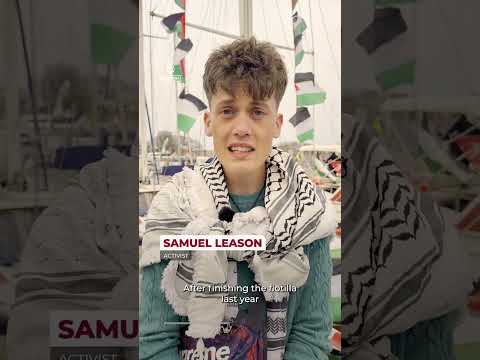
Organisers and activists of this year’s Global Sumud Flotilla say that despite pressure from Israel, regional tensions, and possible weather challenges, it will be going to break the illegal siege on Gaza. Al Jazeera’s Mohammad Saleh spoke to activists in Barcelona about why they’re sailing.
U.S. President Donald Trump has refused to apologize after criticizing Pope Leo, the head of the Catholic Church, over his stance on the war in Iran.
The controversy intensified after Trump shared an AI-generated image portraying himself as Jesus, before later deleting it and claiming he believed it depicted him as a doctor.
The dispute comes as Pope Leo continues to call for peace, urging global leaders to prioritize dialogue over conflict. Speaking during a mass and ahead of a tour across Africa, the pope emphasized reconciliation and said he has “no fear” of the Trump administration.
Despite backlash, Trump doubled down on his criticism, saying he has “nothing to apologize for.”
The clash highlights growing tensions between political leadership and religious voices on issues of war, diplomacy, and global peace.
Al Jazeera's Sonia Gallego reports
Subscribe to our channel: http://bit.ly/AJSubscribe
Follow us on X : https://twitter.com/AJEnglish
Find us on Facebook: https://www.facebook.com/aljazeera
Check our website: http://www.aljazeera.com/
Check out our Instagram page: https://www.instagram.com/aljazeeraenglish/
Download AJE Mobile App: https://aje.news/AJEMobile
U.S. President Donald Trump has refused to apologize after criticizing Pope Leo, the head of the Catholic Church, over his stance on the war in Iran.
The controversy intensified after Trump shared an AI-generated image portraying himself as Jesus, before later deleting it and claiming he believed it depicted him as a doctor.
The dispute comes as Pope Leo continues to call for peace, urging global leaders to prioritize dialogue over conflict. Speaking during a mass and ahead of a tour across Africa, the pope emphasized reconciliation and said he has “no fear” of the Trump administration.
Despite backlash, Trump doubled down on his criticism, saying he has “nothing to apologize for.”
The clash highlights growing tensions between political leadership and religious voices on issues of war, diplomacy, and global peace.
Al Jazeera's Sonia Gallego reports
Subscribe to our channel: http://bit.ly/AJSubscribe
Follow us on X : https://twitter.com/AJEnglish
Find us on Facebook: https://www.facebook.com/aljazeera
Check our website: http://www.aljazeera.com/
Check out our Instagram page: https://www.instagram.com/aljazeeraenglish/
Download AJE Mobile App: https://aje.news/AJEMobile
US President Donald Trump has announced a military blockade of Iranian ports, following the collapse of nuclear negotiations with Iran.
Talks held in Pakistan ended without a breakthrough, with the key dispute centered on Iran’s nuclear program. Despite this, Trump says communication is ongoing and a deal may still be possible.
The blockade is being enforced in the critical Strait of Hormuz, a major global oil route. The U.S. aims to cut off Iran’s energy exports and increase economic pressure, potentially impacting countries like China that rely on Iranian oil.
Al Jazeera's Alan Fisher reports from Washington.
Trump warned that any Iranian ship approaching the blockade could face military action, raising fears of a wider conflict.
Subscribe to our channel: http://bit.ly/AJSubscribe
Follow us on X : https://twitter.com/AJEnglish
Find us on Facebook: https://www.facebook.com/aljazeera
Check our website: http://www.aljazeera.com/
Check out our Instagram page: https://www.instagram.com/aljazeeraenglish/
Download AJE Mobile App: https://aje.news/AJEMobile
#Trump #Iran #BreakingNews #Geopolitics #StraitOfHormuz #USIran #WorldNews
US President Donald Trump has announced a military blockade of Iranian ports, following the collapse of nuclear negotiations with Iran.
Talks held in Pakistan ended without a breakthrough, with the key dispute centered on Iran’s nuclear program. Despite this, Trump says communication is ongoing and a deal may still be possible.
The blockade is being enforced in the critical Strait of Hormuz, a major global oil route. The U.S. aims to cut off Iran’s energy exports and increase economic pressure, potentially impacting countries like China that rely on Iranian oil.
Al Jazeera's Alan Fisher reports from Washington.
Trump warned that any Iranian ship approaching the blockade could face military action, raising fears of a wider conflict.
Subscribe to our channel: http://bit.ly/AJSubscribe
Follow us on X : https://twitter.com/AJEnglish
Find us on Facebook: https://www.facebook.com/aljazeera
Check our website: http://www.aljazeera.com/
Check out our Instagram page: https://www.instagram.com/aljazeeraenglish/
Download AJE Mobile App: https://aje.news/AJEMobile
#Trump #Iran #BreakingNews #Geopolitics #StraitOfHormuz #USIran #WorldNews
Stephane Dujarric says the UN Secretary-General Antonio Guterres is calling on ‘all parties’ to respect freedom of navigation in the Strait of Hormuz as the US military’s blockade of Iranian maritime traffic is in force. The move follows failed talks between Washington and Tehran in Islamabad.
Russia has renewed its offer to help manage Iran’s enriched uranium as global concerns over Tehran’s nuclear program continue.
Kremlin spokesperson Dmitry Peskov confirmed that the proposal originally put forward by President Vladimir Putin remains on the table but has yet to be acted upon.
The offer comes amid stalled nuclear negotiations and rising geopolitical tensions, with world powers seeking ways to prevent further escalation. Russia’s proposal positions Moscow as a potential mediator, offering technical solutions to manage uranium stockpiles and reduce risks.
As diplomatic efforts continue, uncertainty remains over whether a new agreement can be reached or if tensions will intensify further.
Al Jazeera's Yulia Shapovalova reports from Moscow
Find us on Facebook: https://www.facebook.com/aljazeera
Check our website: http://www.aljazeera.com/
Check out our Instagram page: https://www.instagram.com/aljazeeraenglish/
Download AJE Mobile App: https://aje.news/AJEMobile
Russia has renewed its offer to help manage Iran’s enriched uranium as global concerns over Tehran’s nuclear program continue.
Kremlin spokesperson Dmitry Peskov confirmed that the proposal originally put forward by President Vladimir Putin remains on the table but has yet to be acted upon.
The offer comes amid stalled nuclear negotiations and rising geopolitical tensions, with world powers seeking ways to prevent further escalation. Russia’s proposal positions Moscow as a potential mediator, offering technical solutions to manage uranium stockpiles and reduce risks.
As diplomatic efforts continue, uncertainty remains over whether a new agreement can be reached or if tensions will intensify further.
Al Jazeera's Yulia Shapovalova reports from Moscow
Find us on Facebook: https://www.facebook.com/aljazeera
Check our website: http://www.aljazeera.com/
Check out our Instagram page: https://www.instagram.com/aljazeeraenglish/
Download AJE Mobile App: https://aje.news/AJEMobile
Pakistan has emerged as the key negotiator in talks between the United States and Iran.
The first round may have been unsuccessful, but people there have expressed pride to have been chosen as hosts.
Officials remain hopeful that negotiations will continue.
Al Jazeera’s Osama Bin Javaid reports from Islamabad, Pakistan.
Subscribe to our channel: http://bit.ly/AJSubscribe
Follow us on X: https://twitter.com/AJEnglish
Find us on Facebook: https://www.facebook.com/aljazeera
Check our website: http://www.aljazeera.com/
Check out our Instagram page: https://www.instagram.com/aljazeeraenglish/
Download AJE Mobile App: https://aje.news/AJEMobile
Pakistan has emerged as the key negotiator in talks between the United States and Iran.
The first round may have been unsuccessful, but people there have expressed pride to have been chosen as hosts.
Officials remain hopeful that negotiations will continue.
Al Jazeera’s Osama Bin Javaid reports from Islamabad, Pakistan.
Subscribe to our channel: http://bit.ly/AJSubscribe
Follow us on X: https://twitter.com/AJEnglish
Find us on Facebook: https://www.facebook.com/aljazeera
Check our website: http://www.aljazeera.com/
Check out our Instagram page: https://www.instagram.com/aljazeeraenglish/
Download AJE Mobile App: https://aje.news/AJEMobile
In this episode of This is America, hosted by Anna Burns‑Francis, Al Jazeera examines why high‑level US–Iran peace talks in Islamabad collapsed after 21 hours, and how rival red lines over nuclear power, regional influence and control of the Strait of Hormuz now threaten a fragile ceasefire. From our Washington, DC bureau to the White House, the programme asks what a global superpower is really showing the world about consistency and stability as US negotiators return home empty‑handed and President Donald Trump responds by ordering a naval blockade on Iran’s main energy lifeline.
We break down the clash at the negotiating table in Pakistan. On the US side, Vice President JD Vance insists Iran “has chosen not to accept our terms”. Washington’s priorities are clear: a permanent ban on Iranian nuclear weapons, the elimination or export of enriched uranium, an end to uranium enrichment inside Iran, guaranteed freedom of navigation through the Strait of Hormuz, curbs on ballistic missiles and a halt to support for armed groups across the region. Across the table, Iran’s parliamentary speaker Mohammad Bagher Ghalibaf says Tehran brings “goodwill and intent” but “does not trust the other side” after two recent wars, and will not surrender what it sees as sovereign rights – including enrichment for civilian use, non‑negotiable missile capabilities, sanctions relief and effective control over Hormuz.
From the White House, Alan Fisher explains how Trump’s “all or none” blockade aims to stop Iran charging tolls or taking untraceable cryptocurrency payments from ships, throttle its access to hard currency, and use the strait – once the route for 20 percent of global oil trade – to strip away Iran’s key source of leverage. We examine how this strategy fits a long‑running pattern: a high‑pressure, deadline‑driven style rooted in New York real estate and echoes of the “madman theory”, from threats to “end a civilisation” to warnings of “lethal prosecution and destruction” if no “real agreement” is reached before the ceasefire runs out in nine days.
In the studio, former US Ambassador and Assistant Secretary of State for Near Eastern Affairs Jeffrey Feltman and former senior CIA analyst John Nixon join Anna Burns‑Francis to assess how far apart the two sides remain and why the talks were always unlikely to solve decades‑old disputes in less than a day. They explore the diplomatic puzzle of reconciling a US demand for zero enrichment with Iran’s insistence on its nuclear “rights”, the gap between US claims of having “obliterated” Iran’s military capacity and the reality that missiles and nuclear know‑how can be rebuilt, and whether Tehran’s time‑buying tactics – haggling to the last minute and trying to exhaust its opponent – are again paying off.
Heidi Zhou‑Castro charts the domestic fallout, from gloomy “no deal” headlines that hit before Vance landed back in Washington to partisan TV interviews framing the US–Iran war as either necessary pressure or an unauthorised, strategy‑free conflict. She reports on growing concern that a “blockade of a blockade” could drag in more countries, rattle global energy markets and push fuel prices higher for American households.
Finally, Alex Baird rounds out the programme with the online battle over what happens next – tracking how a now‑deleted Christlike image of the president, conspiracy‑minded calls for him to “wake up” and make a different deal with Iran, and conservative praise for a supposed “reverse UNO card” collide with criticism of Trump’s weekend at a UFC fight and warnings that maximalist demands could lock both sides into a prolonged test of endurance.
This is America asks whether there is still room to renegotiate each side’s “non‑negotiables” – or whether the red lines drawn in Islamabad and on the waters of Hormuz are now too deep to erase.
Subscribe to our channel: http://bit.ly/AJSubscribe
Follow us on X: https://twitter.com/AJEnglish
Find us on Facebook: https://www.facebook.com/aljazeera
Check our website: http://www.aljazeera.com/
Check out our Instagram page: https://www.instagram.com/aljazeeraenglish/
Download AJE Mobile App: https://aje.news/AJEMobile
In this episode of This is America, hosted by Anna Burns‑Francis, Al Jazeera examines why high‑level US–Iran peace talks in Islamabad collapsed after 21 hours, and how rival red lines over nuclear power, regional influence and control of the Strait of Hormuz now threaten a fragile ceasefire. From our Washington, DC bureau to the White House, the programme asks what a global superpower is really showing the world about consistency and stability as US negotiators return home empty‑handed and President Donald Trump responds by ordering a naval blockade on Iran’s main energy lifeline.
We break down the clash at the negotiating table in Pakistan. On the US side, Vice President JD Vance insists Iran “has chosen not to accept our terms”. Washington’s priorities are clear: a permanent ban on Iranian nuclear weapons, the elimination or export of enriched uranium, an end to uranium enrichment inside Iran, guaranteed freedom of navigation through the Strait of Hormuz, curbs on ballistic missiles and a halt to support for armed groups across the region. Across the table, Iran’s parliamentary speaker Mohammad Bagher Ghalibaf says Tehran brings “goodwill and intent” but “does not trust the other side” after two recent wars, and will not surrender what it sees as sovereign rights – including enrichment for civilian use, non‑negotiable missile capabilities, sanctions relief and effective control over Hormuz.
From the White House, Alan Fisher explains how Trump’s “all or none” blockade aims to stop Iran charging tolls or taking untraceable cryptocurrency payments from ships, throttle its access to hard currency, and use the strait – once the route for 20 percent of global oil trade – to strip away Iran’s key source of leverage. We examine how this strategy fits a long‑running pattern: a high‑pressure, deadline‑driven style rooted in New York real estate and echoes of the “madman theory”, from threats to “end a civilisation” to warnings of “lethal prosecution and destruction” if no “real agreement” is reached before the ceasefire runs out in nine days.
In the studio, former US Ambassador and Assistant Secretary of State for Near Eastern Affairs Jeffrey Feltman and former senior CIA analyst John Nixon join Anna Burns‑Francis to assess how far apart the two sides remain and why the talks were always unlikely to solve decades‑old disputes in less than a day. They explore the diplomatic puzzle of reconciling a US demand for zero enrichment with Iran’s insistence on its nuclear “rights”, the gap between US claims of having “obliterated” Iran’s military capacity and the reality that missiles and nuclear know‑how can be rebuilt, and whether Tehran’s time‑buying tactics – haggling to the last minute and trying to exhaust its opponent – are again paying off.
Heidi Zhou‑Castro charts the domestic fallout, from gloomy “no deal” headlines that hit before Vance landed back in Washington to partisan TV interviews framing the US–Iran war as either necessary pressure or an unauthorised, strategy‑free conflict. She reports on growing concern that a “blockade of a blockade” could drag in more countries, rattle global energy markets and push fuel prices higher for American households.
Finally, Alex Baird rounds out the programme with the online battle over what happens next – tracking how a now‑deleted Christlike image of the president, conspiracy‑minded calls for him to “wake up” and make a different deal with Iran, and conservative praise for a supposed “reverse UNO card” collide with criticism of Trump’s weekend at a UFC fight and warnings that maximalist demands could lock both sides into a prolonged test of endurance.
This is America asks whether there is still room to renegotiate each side’s “non‑negotiables” – or whether the red lines drawn in Islamabad and on the waters of Hormuz are now too deep to erase.
Subscribe to our channel: http://bit.ly/AJSubscribe
Follow us on X: https://twitter.com/AJEnglish
Find us on Facebook: https://www.facebook.com/aljazeera
Check our website: http://www.aljazeera.com/
Check out our Instagram page: https://www.instagram.com/aljazeeraenglish/
Download AJE Mobile App: https://aje.news/AJEMobile

 Anmelden